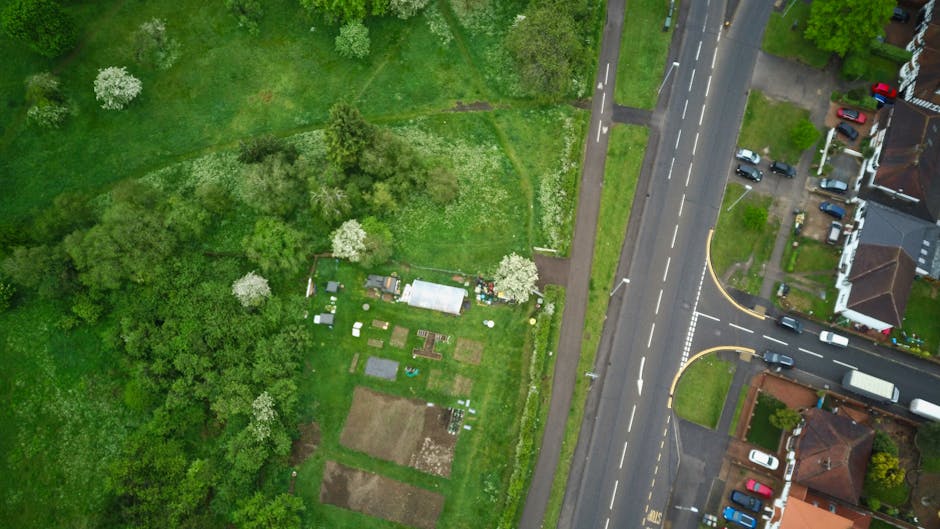
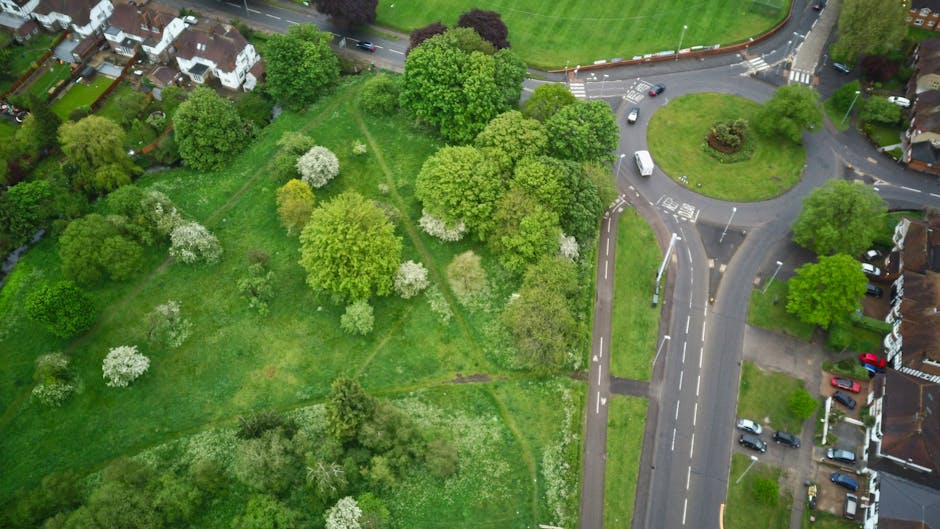
Local gardeners for Central Road gardens Worcester Park: a practical guide to getting reliable help for your outdoor space
If you live on or near Central Road in Worcester Park, you already know the garden can be a blessing and a bit of a project. One week it looks tidy and full of promise; the next, the lawn has shot up, the hedge is leaning over, and the patio has that slightly forgotten look. That is exactly where local gardeners for Central Road gardens Worcester Park make a real difference. They bring regular care, local know-how, and the sort of practical support that keeps a garden looking lived-in rather than left behind.
This guide walks you through what local garden help actually involves, how the service works, what to expect, and how to choose the right support for a front garden, back garden, shared access strip, or larger landscaped space. It is written to help you make a sensible decision, not a rushed one. Let's face it, a good gardener should make your life easier, not create more admin.
Why local gardeners for Central Road gardens Worcester Park matters
Gardens around Central Road often need the kind of care that is local, consistent, and responsive. That sounds obvious, but it matters more than most people realise. A gardener who understands the area will know how quickly lawns can change after wet weather, how shaded borders behave near fences and mature trees, and why some plants struggle in a front garden exposed to passing wind.
There is also the simple issue of time. Many homeowners want a garden that feels calm and welcoming without spending every weekend cutting back, feeding, clearing, and tidying. A local gardener can step in with regular maintenance, seasonal care, and one-off improvements that keep everything in better shape for longer. You notice the difference on a Monday morning when the front path is clear, the edges are crisp, and the whole place just looks cared for.
Local knowledge also helps with practical decisions. For example, if your garden sits in a more exposed position, wind-tolerant planting and smarter screening can matter more than a fancy planting scheme. If your rear garden is compact, vertical planting, containers, or a lighter landscaping approach may be more useful than trying to cram in too much. For ideas along those lines, many people find the guide on creative ideas for vertical gardening helpful when planning small or awkward spaces.
In short, local gardeners bring relevance. And in gardening, relevance is half the battle.
How local gardeners for Central Road gardens Worcester Park works
The process is usually straightforward, but the best results come from being clear at the start. Most people begin with a conversation about the condition of the garden, the areas that bother them most, and the result they want. That might be "regular maintenance every two weeks", "get the lawn back under control", or "turn this neglected patch into something we can actually use".
From there, the work is typically shaped around three things: the condition of the garden, the season, and how much time or support you want. Some clients need a light ongoing tidy-up. Others need a deeper reset, then a maintenance schedule to stop the space slipping back again. It is rarely just mowing grass and leaving. Real garden care often includes weeding, pruning, trimming, feeding, clearing, shaping, and making sure the space still feels balanced.
If you are dealing with an overgrown boundary, hedge management can be a major part of the job. A tidy hedge does more than look neat. It can give structure, privacy, and a sense of order. If that is on your list, the specialist page on hedge trimming in Worcester Park is a useful related service to look at.
Garden care can also be split into specific tasks. For example, some homes mainly need lawn care support, while others benefit more from ongoing garden maintenance to keep everything in balance. That flexibility is one of the biggest advantages of using a local team rather than trying to force a one-size-fits-all approach.
Key benefits and practical advantages
There are plenty of reasons people choose local gardeners, but the practical benefits are what keep them coming back.
- Consistency: regular visits stop small issues from turning into bigger ones.
- Local understanding: the garden is treated with Worcester Park conditions in mind, not generic advice from nowhere.
- Time saved: you get your weekends back, or at least part of them.
- Better presentation: the front of the house, side return, or rear garden all look more cared for.
- Healthier plants and turf: timely pruning, mowing, and feeding usually improve long-term results.
- Safer outdoor areas: reduced trip hazards, better visibility, and less clutter around paths or steps.
There is also a subtle benefit people do not always mention: confidence. Once a garden is back under control, you start using it again. A chair goes outside. The kids kick a ball around. You open the back door and feel pleased rather than mildly guilty. That counts.
For people trying to improve the feel of a garden without overspending, the article on budget-conscious garden designs offers sensible ideas that pair well with routine gardener support. And if weed pressure is ruining the look of paths or borders, simple weed control methods can give you a good starting point between visits.
Expert summary: the best local gardening help is not just about labour. It is about judgement, timing, and keeping the whole space working as a coherent garden rather than a list of disconnected jobs.
Who this is for and when it makes sense
This kind of service suits a wide mix of people. If you are a homeowner who wants the garden to stay neat with minimal stress, it makes perfect sense. If you are a landlord, it can help preserve kerb appeal and keep outdoor areas presentable between tenancies. If you are older, busy, physically limited, or simply not that interested in weekend weeding, it may be the most practical decision you make all year.
It also makes sense in specific situations:
- the garden has become too much to handle alone
- you have moved into a property and inherited an overgrown space
- the lawn is patchy, scalped, or uneven
- hedges, trees, or climbers are getting out of hand
- you want to improve privacy or structure
- you need seasonal preparation for wetter or colder weather
Sometimes people think they only need a gardener when everything looks disastrous. Not really. In practice, the best time to bring someone in is just before things start slipping. A little intervention goes a long way. You can also get value from targeted services if the problem is specific, such as lawn mowing for weekly growth control or landscaping support if you want to change how the garden actually functions.
Step-by-step guidance
If you are wondering how to get started without overthinking it, here is the most sensible route.
- Walk the garden slowly. Notice what is overgrown, what is tired, and what still works. A five-minute walk often tells you more than an hour of vague frustration.
- List priorities. Separate urgent work from "nice to have" improvements. For example, a dangerous branch is more important than a decorative border refresh.
- Decide on the outcome. Do you want routine upkeep, a one-off tidy-up, or a bigger redesign?
- Match services to the task. Lawn, hedge, tree, patio, fencing, decking, or full garden care may all play a role.
- Ask about timing. Some jobs are best done in dry weather, while others are more forgiving. A local gardener will usually know the practical window, not just the ideal one.
- Review the plan seasonally. Gardens are not static. What worked in spring may need adjusting by late summer or after a spell of rain.
One useful tactic is to begin with the area you see first. Front gardens often create the first impression and are easier to tackle quickly. A simple refresh there can lift the whole property. Then move into the back garden, where structure and usability matter more.
If the garden is very neglected, it can help to read about restoring an abandoned garden. It gives a realistic sense of how a space can be brought back in stages instead of trying to fix everything at once, which, to be fair, is how people burn out.
Expert tips for better results
Good gardeners do not just turn up with tools. They observe. They notice where soil stays wet, where wind causes damage, and which plants are quietly thriving despite the odds. That sort of attention makes all the difference.
Here are a few practical tips that tend to pay off:
- Keep paths and edges defined. Neat edging makes the whole garden look better, even if planting is still catching up.
- Choose plants that suit the space. A plant that looks lovely in a brochure may sulk in a windy corner or deep shade.
- Think in layers. Ground cover, shrubs, climbers, and taller features create a richer and more balanced garden.
- Use pruning as shaping, not just cutting back. Done properly, pruning improves growth and keeps plants from becoming tangled.
- Be realistic with maintenance. A garden should match the time you have to care for it, or the time you are willing to pay someone else to care for it.
For planting structure, ground cover can be especially useful on slopes, awkward patches, or areas where weeds keep returning. If that sounds familiar, the guide to ground cover options is a smart companion read. And if you want screening without building a full barrier, you might also look at fast-growing hedges for privacy.
A small but useful note: if you have pets, children, or regular foot traffic, plant choice and layout need a bit more thought. This is where experience matters, because a garden that looks great on paper can turn out to be a nuisance in daily life. We have all seen that happen. Sometimes it is a lovely disaster.
Common mistakes to avoid
Some garden problems are not caused by lack of effort. They are caused by the wrong effort. Here are the mistakes that show up most often.
- Waiting too long: a short delay can turn pruning into clearance work and lawn care into rescue work.
- Overcutting hedges or shrubs: harsh cutting can leave bare patches and weak regrowth.
- Ignoring the soil: poor soil means repeated disappointment no matter how nice the plants look initially.
- Using the wrong plants for the site: shade, wind, dry borders, and heavy clay all need different thinking.
- Focusing only on appearance: a tidy garden still needs the right structure underneath.
- Skipping regular maintenance after a big tidy-up: this is the big one. A reset is helpful, but only if it is followed by upkeep.
A lot of homeowners also underestimate how quickly patios, paving, and steps pick up grime and algae. It is not glamorous, but it matters. A freshly cleaned patio instantly changes how the whole space feels. If that is part of your plan, patio cleaning support can be a very practical add-on.
Another common slip is treating trees as if they are just tall shrubs. They are not. Overgrown or poorly placed trees may need more careful attention, and in some cases professional assessment. If branches are encroaching or causing issues, the page on tree surgery in Worcester Park is a sensible related resource.
Tools, resources and recommendations
Most good garden work comes down to using the right tool for the right task. That does not mean a huge van full of gadgets. It usually means reliable basics, a thoughtful approach, and the discipline not to rush.
Useful tools often include:
- sharp secateurs for clean cuts
- hedge shears or a trimmer for shaping and tidying
- a sturdy mower for lawn management
- a rake and fork for clearing and lifting
- gloves, kneeling pads, and proper footwear
- a wheelbarrow or tub for green waste
Beyond tools, a good gardener will often suggest practical improvements rather than flashy ones. For example, container planting can solve awkward corners, reduce maintenance, and let you change the look of the garden without major digging. If that interests you, take a look at why container gardening works so well.
If your garden has vertical walls, fences, or shaded areas, climbers can be a clever option. The guide on evergreen climbers for shade is useful for turning awkward areas into something softer and greener. And if pets are part of the picture, there is also a thoughtful piece on gardening with four-legged friends.
Law, compliance, standards, or best practice
Garden work is usually straightforward, but there are a few standards and sensible practices worth keeping in mind. Tree work, for example, should be carried out carefully, especially where branches may overhang boundaries, touch structures, or affect safety. In some cases, local rules, property boundaries, or tree protections can matter. That is not something to guess at.
Waste handling is another area where best practice matters. Green waste should be managed responsibly, and it is always better when clippings, branches, and cuttings are collected and disposed of properly rather than left to rot in corners. Composting can be useful where appropriate, especially if you are trying to improve soil fertility over time. There is a helpful article on organic waste and soil fertility that fits this topic nicely.
Safety also matters during trimming, cutting, and lifting work. Good practice includes clear footpaths, proper PPE where needed, careful handling of tools, and a tidy working area. If children or pets use the garden, even a short job needs a clean finish so nothing sharp or hazardous is left behind. It sounds basic because it is basic. Still, basic is good.
For more visible results around the boundary, some homeowners combine maintenance with fencing or structure upgrades. If that is part of your thinking, fencing services can help improve privacy and definition while keeping the garden practical.
Options, methods, or comparison table
Not every garden needs the same kind of support. The right choice depends on what is going wrong, what you want to keep, and how much change you want to make. Here is a simple comparison that can help you think it through.
| Option | Best for | Typical outcome | What to watch for |
|---|---|---|---|
| Regular garden maintenance | Busy homeowners, tidy family gardens, rental properties | Steady, controlled presentation throughout the year | Needs consistency to work well |
| Lawn care and mowing | Lawns that look patchy, shaggy, or uneven | Cleaner lines, healthier growth, better appearance | May need seasonal adjustment and aftercare |
| Hedge trimming | Properties needing privacy or a tidy boundary | Sharper structure and improved light or screening balance | Overcutting can damage regrowth |
| Landscaping | Gardens needing a functional or visual reset | Improved layout, better use of space, stronger style | More planning involved, sometimes phased |
| Patio or hard surface cleaning | Outdoor areas with staining, moss, or dull surfaces | Safer, brighter, more usable seating areas | Needs appropriate cleaning methods for the surface |
| Tree surgery | Overgrown, unsafe, or intrusive trees | Improved safety and healthier structure | Often requires more careful judgement than expected |
There is no single best route for every property. In fact, one of the best things about local help is that it can be mixed and matched. A lawn may need frequent care, while the rest of the garden only needs a monthly tidy. That is often the sweet spot.
Case study or real-world example
Here is a realistic example based on the kind of garden many Worcester Park homeowners deal with. A terraced property near Central Road has a small front garden, a narrow side access, and a back garden that has slowly become more cluttered over two seasons. The lawn is thin, the hedge has widened into the path, and the patio has gone from "slightly green" to "why is it like that?".
The first visit focuses on clearing the obvious issues. Edges are cut back, weeds are removed, the hedge is trimmed into shape, and the patio is cleaned enough to make the space feel usable again. Then a simple maintenance schedule is set: regular mowing, light hedge shaping, seasonal checks, and a small amount of planting to soften empty corners. Nothing dramatic. Just sensible.
By the end of the process, the garden is not trying to be something it is not. It is neater, easier to use, and much less stressful to look at. The owners stop apologising for the outdoor space when guests arrive. That part matters more than people admit.
To improve the feel of the garden further, they might add seating, a small planting plan, or privacy screening. If you are looking for ideas, the posts on creative seating ideas and zen garden inspirations can spark practical improvements without encouraging overcomplication.
Practical checklist
Use this simple checklist before booking or starting any work.
- Walk the garden and note the top three problems.
- Decide whether you need a one-off tidy, ongoing maintenance, or a bigger transformation.
- Check whether the lawn, hedges, trees, patio, or fencing need priority attention.
- Think about whether privacy, safety, or usability is the main goal.
- Clear access points where possible so the work can be done efficiently.
- Remove fragile items, toys, and loose tools from the area.
- Ask what happens to green waste and clippings.
- Agree on the finish you want: neat, minimal, structured, or fully refreshed.
- Plan for follow-up care, because gardens keep growing. Annoyingly, but beautifully.
If the garden has a family focus, it is worth thinking ahead about safe play space, durable planting, and easy-to-manage borders. The article on kid-friendly garden planning can help with that, and for more ambitious changes, transforming a yard into a children's paradise gives a few lively ideas.
Get a free quote today and see how much you can save.
Conclusion
Choosing local gardeners for Central Road gardens Worcester Park is really about getting the right support for the way you live. Maybe you need someone to keep things tidy every few weeks. Maybe the garden has become more work than joy and needs a proper reset. Or maybe you simply want a more usable, better-looking outdoor space without spending your whole weekend trying to rescue it.
The strongest results usually come from a mix of local understanding, practical upkeep, and honest priorities. Start with the areas that matter most, then build from there. A well-kept garden does not need to be perfect. It just needs to feel cared for, usable, and in step with the home around it. That is the real win.
If you are ready to take the next step, a straightforward conversation about your garden's condition and your goals is often enough to get moving. The first bit is always the hardest. After that, it gets easier, and the garden starts giving something back.
Frequently Asked Questions
What do local gardeners for Central Road gardens Worcester Park usually help with?
They typically help with mowing, weeding, hedge trimming, pruning, planting, tidy-ups, seasonal maintenance, and sometimes larger improvements such as landscaping or patio care. The exact mix depends on your garden and what you want to achieve.
Is it better to book a one-off visit or regular garden maintenance?
If your garden is already tidy and just needs occasional help, a one-off visit may be enough. If it grows quickly or tends to slip back, regular maintenance usually gives better long-term value and less stress.
How do I know if my lawn needs professional care?
If your grass is patchy, uneven, compacted, mossy, or repeatedly looks tired after mowing, professional lawn care may help. A local gardener can often spot whether the issue is mowing height, soil condition, drainage, or something else.
Can gardeners help with overgrown hedges near Central Road?
Yes, hedge trimming is one of the most common tasks. It is especially useful when hedges are blocking light, narrowing paths, or losing their shape. If the hedge is very large or complex, it may need a more careful approach.
What should I do before the gardener arrives?
Clear access where you can, move toys and fragile items, and make a quick list of priorities. That helps the visit run smoothly and makes it easier to focus on what matters most.
Are local gardeners useful for small gardens too?
Definitely. Small gardens often benefit hugely from local help because every square metre matters. Careful pruning, tidy edges, smart planting, and good layout can make a compact space feel much bigger and easier to use.
Can a gardener help restore a neglected garden?
Yes. A neglected garden often needs a staged approach: clearance first, then shaping, then ongoing maintenance. That usually works better than trying to do everything in one exhausting hit.
Do I need landscaping, or just maintenance?
If the garden is functional but messy, maintenance may be enough. If the layout is awkward, the surfaces are tired, or the space does not work well, landscaping may be the better choice. A good local gardener can help you tell the difference.
What about patios, decking, and fencing?
These features often affect how the whole garden feels. A clean patio, decent decking, or well-kept fencing can transform the space. Related services such as patio cleaning, decking work, or fencing can be useful when the structure of the garden needs attention too.
How often should a Worcester Park garden be maintained?
There is no single rule. Fast-growing lawns and hedges may need attention every one to two weeks in active growing periods, while other gardens may only need monthly or seasonal care. A local gardener can help set a realistic rhythm.
What is the biggest mistake people make with garden care?
Leaving things too long, honestly. Small issues like weeds, dead growth, or uneven grass are much easier to manage early. Once they build up, the job becomes heavier, slower, and more expensive to put right.
How do I choose the right gardener for my garden?
Look for someone who understands the practical needs of your space, listens to what you want, and offers a sensible plan rather than pushing unnecessary work. The best fit is usually the one that feels clear, helpful, and grounded in real experience.