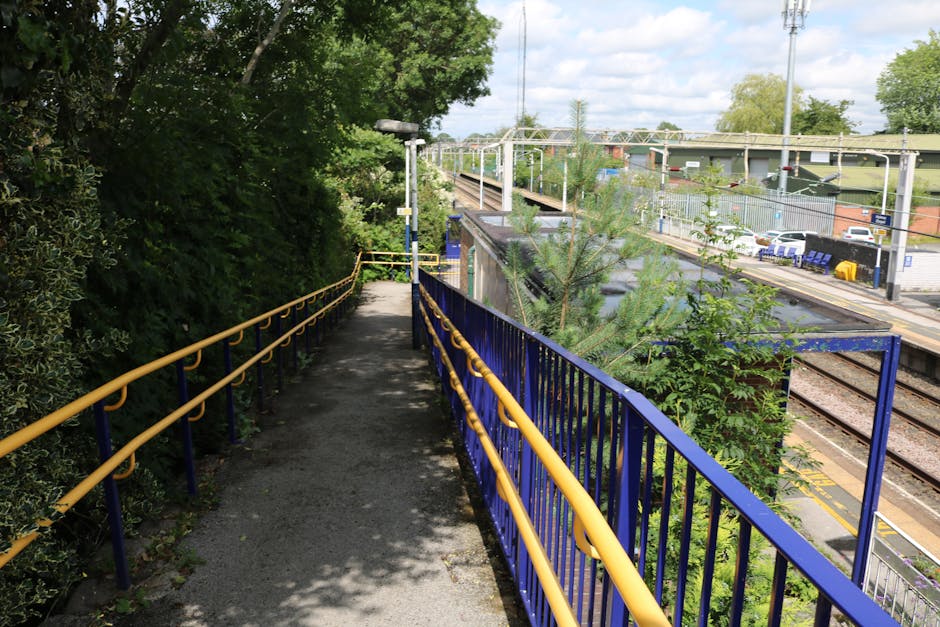
Gardeners near Worcester Park Station serving KT4: a practical guide to local garden care
If you are looking for gardeners near Worcester Park Station serving KT4, you are probably after more than a quick tidy-up. You want a local team that understands busy weeknight schedules, narrow access, changing weather, and the kind of gardens that need regular attention rather than one-off heroics. That is fair enough. A good gardener does not just cut grass and leave footprints. They keep a garden healthy, usable, and quietly easier to live with.
This guide explains what local garden services typically involve, how to choose the right help, what to expect on site, and how to avoid the common mistakes that turn a simple job into an expensive faff. It also shows where services like garden maintenance in Worcester Park, lawn care support, and hedge trimming services fit into the bigger picture. If your outdoor space is near the station, you will also know how valuable reliable, local scheduling can be. A missed visit can throw everything off.
Table of Contents
- Why Gardeners near Worcester Park Station serving KT4 Matters
- How Gardeners near Worcester Park Station serving KT4 Works
- Key Benefits and Practical Advantages
- Who This Is For and When It Makes Sense
- Step-by-Step Guidance
- Expert Tips for Better Results
- Common Mistakes to Avoid
- Tools, Resources and Recommendations
- Law, Compliance, Standards, or Best Practice
- Options, Methods, or Comparison Table
- Case Study or Real-World Example
- Practical Checklist
- Conclusion
- Frequently Asked Questions
Why Gardeners near Worcester Park Station serving KT4 Matters
Worcester Park Station sits in a part of KT4 where gardens often need a practical, local approach. Some homes have compact front gardens that need neat edges and weed control. Others have long back gardens with hedging, patios, lawns, and older planting that has got a bit out of hand. And then there are the people who simply do not have the time or tools to stay on top of it all.
Locality matters because garden work is rarely one-size-fits-all. A garden a few streets away can have a completely different feel: shade from mature trees, exposed borders that dry out quickly, or a lawn that gets patchy because of foot traffic. Gardener services close to the station are also easier to schedule around everyday life. That sounds minor, but in practice it is huge. Less waiting. Less back-and-forth. Less "we'll see if we can fit you in sometime next Thursday".
There is also a trust factor. When you are hiring someone to work around your home, you want a team that understands local expectations, turns up prepared, and leaves things tidy. That is especially important for recurring work like regular lawn mowing, patio cleaning, or fencing repairs and installation, where consistency matters more than a flashy one-off visit.
Key takeaway: the best local garden help is the kind that keeps your outdoor space under control without making you manage the process every step of the way.
How Gardeners near Worcester Park Station serving KT4 Works
Most local garden services begin with a conversation about the space, the condition of the garden, and what you want to achieve. Sometimes that is as simple as "please get this back under control". Other times it is more detailed: shape the hedges, improve the lawn, lift the borders, clean the patio, and make the whole garden feel usable again.
The practical process usually looks like this:
- Initial assessment. The gardener looks at access, size, problem areas, and what tools or time will be needed.
- Priority setting. They decide what must happen first. For example, a garden with heavy overgrowth may need clearance before lawn care or planting can begin.
- Service planning. The work is split into the right tasks: maintenance, hedge trimming, turf care, landscaping, tree work, or hardscape cleaning.
- Site work. The team carries out the agreed tasks, usually with a practical order that avoids wasted effort.
- Waste handling and tidy-up. Good gardeners do not leave you with a pile of clippings and hope for the best. They leave the area clean and manageable.
For example, if a rear garden has a tired lawn, a dense hedge, and a slippery patio, the sequence may start with hedge trimming, then lawn restoration, then surface cleaning. That order makes sense because if you pressure-clean first and then trim a hedge above it, you have just created more work for yourself. Obvious, perhaps, but you would be surprised how often people get this wrong.
If your garden needs a broader refresh, you may also want landscaping support or more general gardening services in KT4 to bring the whole plot back into shape.
Key Benefits and Practical Advantages
Working with gardeners near Worcester Park Station serving KT4 brings a few clear benefits, and not just the obvious "my garden looks nicer" one. Yes, that matters. But there is more going on under the surface.
- Time saved. Routine tasks like mowing, edging, pruning, and weeding take longer than people expect.
- Better plant health. A well-timed cut or tidy can encourage healthier growth and reduce stress on shrubs and lawns.
- Improved kerb appeal. Front gardens, drive edges, hedges, and boundaries shape first impressions fast.
- Safer outdoor spaces. Clearing trip hazards, loose branches, algae on hard surfaces, and broken fencing helps reduce everyday risks.
- More usable space. A patio that is clean and a lawn that is even suddenly make the garden feel bigger.
- Less seasonal overwhelm. Spring growth, summer watering, autumn leaf fall, and winter wind damage all become easier to manage with a plan.
There is a subtle but important benefit too: momentum. Once your garden starts being looked after properly, it becomes easier to keep on top of. You notice weeds earlier. You spot lawn stress before it spreads. You stop waiting for a "big clear-up day" that never quite arrives. That, to be fair, is the real difference between a tired garden and a maintained one.
For lawn-heavy gardens, the combination of mowing and lawn care is often the most noticeable improvement. The grass stops looking merely short and starts looking healthier. Subtle, but it changes everything.
Who This Is For and When It Makes Sense
This kind of local garden support is useful for many different households. You do not need a large estate or a dramatic makeover to make it worthwhile. In fact, smaller jobs often benefit the most because they are easier to neglect.
It makes sense if you are:
- a homeowner juggling work, family, and everything else life throws at you;
- a landlord wanting the property to stay presentable between tenancies;
- a retiree who can manage some gardening but not the heavier, higher, or more physical jobs;
- someone recovering a neglected garden after a busy period or a move;
- a household with children or pets that needs the outdoor space kept safe and practical;
- a commuter living near the station who simply needs dependable visits that fit around the day.
If you have a garden with awkward shade, windy exposure, or space constraints, specialist advice can be especially useful. For example, the guide on dealing with garden wind is a good reminder that planting and layout decisions should respond to the actual site, not just a nice-looking idea board.
Likewise, if the outdoor space has become cluttered or a bit forgotten, you may find it helpful to approach it as a recovery project rather than a quick tidy. The article on restoring an abandoned garden speaks directly to that situation.
Step-by-Step Guidance
If you are planning to hire local gardeners near Worcester Park Station serving KT4, a simple process keeps things calm and avoids surprises. Here is a practical way to approach it.
- Walk the garden first. Look at what is visibly wrong and what is quietly getting worse: weeds, moss, hedge bulk, patchy turf, broken slats, or dirty paving.
- Make a short list of priorities. Keep it realistic. Three strong priorities are better than ten vague ones.
- Decide what is urgent and what is cosmetic. Safety and access come first. Then health. Then appearance.
- Ask for the right type of help. A maintenance visit is different from a landscaping project. A hedge cut is different from tree surgery.
- Check access and timing. Can tools get through the side gate? Is there parking nearby? Are there neighbours to consider?
- Agree the end result. Not every job needs a full redesign. Sometimes the goal is simply "tidy, safe, and healthy".
- Review after the first visit. If the garden is easier to manage, the plan is probably working. If not, adjust the schedule or the scope.
That final review is underrated. Good garden care is often iterative. You do a bit, assess, then build from there. A one-off blitz can be useful, but ongoing control is what makes a garden feel good week after week.
For deeper maintenance needs, a dedicated garden maintenance visit usually gives the best starting point because it covers the practical basics without overcomplicating the job.
Expert Tips for Better Results
Here is the part people often skip, then regret later. Small decisions make a big difference in garden work. A few sensible habits can save money, reduce repeat visits, and improve the final finish.
- Trim hedges before they get bulky. Early, regular cuts are easier and neater than fighting through thick growth later.
- Match lawn care to the season. Cutting is only one part. Feeding, aeration, edging, and weed control all matter.
- Do not over-prune just for neatness. A bare shrub can look tidy for a week and unhealthy for months.
- Keep hard surfaces in the plan. A lovely border and a grimy patio do not sit well together.
- Think about privacy and screening early. If overlooking is an issue, hedge choice and boundary treatment should be planned together.
- Use planting that suits the light. Shade, semi-shade, and full sun all behave differently. No surprise there, but it gets ignored a lot.
If privacy is part of your brief, a useful read is fast-growing hedges for privacy. If you want a softer, lower-maintenance edge, the article on ground cover options is handy too.
One small human truth: most people do not need a "perfect" garden. They need one that feels manageable on a rainy Tuesday evening. That is the standard worth aiming for.
Common Mistakes to Avoid
Garden projects often go wrong in familiar ways. None of these are dramatic on their own, but together they can create extra cost and frustration.
- Booking the wrong service type. A maintenance visit will not solve a garden that needs structural reshaping.
- Ignoring seasonal timing. Cutting, feeding, planting, and pruning all have better and worse windows.
- Focusing only on the visible parts. Hidden issues such as roots, drainage, or boundary damage can come back quickly.
- Leaving ivy or climbers unchecked. They can become a bigger job than expected. Sometimes much bigger.
- Assuming one visit is enough. For many gardens, a tidy-up is only the beginning.
- Not clearing the work area. Toys, bins, bikes, and loose items slow the job down and increase the chance of damage.
If ivy is part of the problem, the guide on long-lasting ivy removal is worth reading before you decide what to keep and what to remove.
And if the garden has become cluttered with self-seeded or aggressive growth, a little patience helps. Pulling things too early, or too aggressively, can make the next round worse. Funny how that works.
Tools, Resources and Recommendations
You do not need a van full of equipment to manage a decent garden, but the right tools make the work cleaner and safer. For many homeowners, the issue is not lack of effort. It is simply having the wrong tools for the job.
Useful essentials usually include:
- sharp shears for light hedge shaping;
- a reliable mower for regular lawn upkeep;
- loppers for thicker stems;
- gloves that actually fit;
- a rake for leaves, moss, and debris;
- basic hand tools for border work;
- bins or sacks for green waste separation.
For a broader look at practical kit, key gardening implements is a useful internal reference. If you are thinking longer term, using organic waste to improve soil fertility can also help turn trimmings into something useful rather than just something to dispose of.
Other useful planning ideas include container gardening for tighter spaces, especially where ground planting is limited. The piece on container gardening is a good fit for patios, balconies, and awkward corners. Small space, big payoff. Often.
Law, Compliance, Standards, or Best Practice
For most domestic gardening jobs in KT4, the main concerns are best practice, safety, and respect for neighbours rather than heavy regulation. Still, there are a few sensible standards worth keeping in mind.
Waste handling: green waste should be managed properly, whether it is composted, removed, or separated from general rubbish. Do not assume every gardener handles waste the same way. Ask.
Tree work: anything involving larger branches, dangerous limbs, or significant pruning should be treated carefully. Tree surgery is not the same as trimming a shrub, and it should only be done by someone who understands the risks. If the tree is mature, damaged, or close to a structure, professional judgement matters. A bit of common sense helps a lot here.
Hedge and boundary work: before major trimming, it is sensible to check whether the hedge belongs to you, whether access is clear, and whether the work could affect a neighbour. That avoids awkward conversations later. Nobody enjoys those.
Hard surface cleaning: pressure washing and chemical treatments should be used carefully, especially near planting and drainage points. The goal is a clean patio, not collateral damage to the borders.
General best practice: reputable garden work should leave the site tidy, reduce avoidable risk, and match the scope of what was agreed. If that sounds basic, well, it is. But basic done properly is often what people really need.
Options, Methods, or Comparison Table
Choosing the right type of help depends on the problem you are trying to solve. Here is a simple comparison to make the choice easier.
| Service type | Best for | Typical outcome | When it makes sense |
|---|---|---|---|
| Garden maintenance | Ongoing upkeep and tidy presentation | Weeds reduced, borders neater, garden easier to manage | When the garden is basically fine but needs consistency |
| Lawn mowing and care | Grass health and presentation | Cleaner finish, stronger lawn over time | When the lawn is a major feature of the space |
| Hedge trimming | Shape, control, and privacy | Sharper lines, better light, less bulk | When hedges are blocking paths, light, or sightlines |
| Landscaping | Layout changes and garden redesign | New structure, better flow, more usable space | When the garden feels awkward or outdated |
| Tree surgery | Branches, canopy management, safety concerns | Safer, healthier, more controlled tree growth | When the issue is height, weight, or risk rather than general tidying |
If you are not sure where your job fits, that is normal. A lot of projects start as "just a tidy-up" and turn out to need a mixed approach. In those cases, a general service can be the smartest first step, with more specialist work added only where needed.
Case Study or Real-World Example
Picture a typical KT4 garden near the station: a narrow front area, a back garden with a tired lawn, a hedge that has crept too far over the path, and a patio that has gone dull and slippery after a wet stretch. Nothing dramatic. Just the kind of outdoor space that slowly starts asking for attention.
In a case like that, the best approach is usually not to do everything at once. Start by clearing the access points and trimming the hedge so the garden feels less boxed in. Then deal with the lawn, because mowing alone will not fix poor edges or patchiness. After that, clean the patio so the whole space feels lighter and more usable. If there are structural issues, such as a damaged fence panel or a tree with problematic branches, add those to the plan separately.
What changed? The garden stopped feeling like a list of jobs and started feeling like a place again. That sounds a bit grand, maybe, but people notice it immediately. The space becomes easier to walk through, easier to sit in, and easier to keep on top of the following month.
That is the quiet value of local gardeners near Worcester Park Station serving KT4. Not just the work itself, but the relief of having a plan that actually fits real life.
Practical Checklist
Use this checklist before booking garden work or starting a seasonal tidy-up.
- Walk the entire garden and note the biggest issues.
- Decide whether the job is maintenance, repair, or redesign.
- Check access for tools, waste removal, and parking.
- Identify any awkward trees, hedges, or boundary lines.
- Look for slippery paving, broken fencing, or trip hazards.
- Prioritise the tasks that affect safety and access first.
- Think about lawn care, not just mowing.
- Consider privacy, screening, and shade if the garden feels exposed.
- Make sure waste will be cleared or managed properly.
- Set a realistic follow-up schedule so the garden does not slip back again.
If your garden has a lot of hedge work to catch up on, it may be worth starting with trim and shape services before moving on to wider maintenance. If you need a broader refresh, the more general all-round gardening service may be the better fit.
Conclusion
Finding gardeners near Worcester Park Station serving KT4 is really about getting the right kind of help for the right kind of garden. Not every space needs a full redesign. Not every problem needs a specialist. But nearly every outdoor area benefits from steady, thoughtful care from someone who understands local conditions and keeps the practical details in view.
Whether you need mowing, hedge trimming, general maintenance, patio cleaning, fencing, tree work, or a fuller landscaping plan, the key is to start with what the garden actually needs now, not what sounds impressive on paper. Once that is clear, everything gets easier.
Get a free quote today and see how much you can save.
And if the first step is just getting the garden back to feeling like yours again, that is a perfectly good place to begin.
Frequently Asked Questions
What do gardeners near Worcester Park Station serving KT4 usually help with?
They commonly help with garden maintenance, lawn mowing, lawn care, hedge trimming, weed control, planting, patio cleaning, fencing, landscaping, and sometimes tree-related work. The exact mix depends on the garden and how much support you need.
How often should a garden be maintained in KT4?
That depends on the size of the garden, how fast it grows, and what you want from it. Many gardens benefit from regular visits during the growing season, with lighter checks or seasonal tidy-ups in quieter months.
Is lawn mowing enough to keep a lawn healthy?
Usually not. Mowing keeps the grass neat, but lawn care also includes feeding, edging, aeration, weed management, and sometimes scarifying or reseeding. If the lawn looks tired, cutting alone will not fix it.
When should hedges be trimmed?
It depends on the hedge type and the result you want. Many hedges respond well to regular shaping rather than occasional heavy cuts. If the hedge is blocking light, paths, or sightlines, it is better not to leave it too long.
Can gardeners clean patios as part of the visit?
Yes, many can. Patio cleaning is often a useful add-on because algae, dirt, and weather staining can make a garden look older than it really is. It is especially helpful when the rest of the garden has already been tidied.
Do I need landscaping or just maintenance?
If the garden layout is basically fine, maintenance may be enough. If the space feels awkward, tired, or poorly used, landscaping may be the better option. A quick site assessment usually makes the difference clear.
Is tree surgery the same as pruning?
No. Pruning is usually lighter and more routine, while tree surgery deals with larger branches, structural concerns, or safety issues. If a tree is tall, damaged, or close to buildings, it is wise to treat the work as specialist.
What should I prepare before the gardener arrives?
Clear access if you can, move fragile items, secure pets, and make a short list of priorities. If you know what matters most, it helps the job stay focused and saves time on site.
How do I know if a garden is overgrown rather than just untidy?
If paths are being blocked, hedges are swallowing light, weeds are dominating borders, or the lawn cannot be cut properly, the garden is probably beyond a simple tidy. At that point, recovery work or a heavier maintenance visit makes more sense.
Are there good options for small gardens near Worcester Park Station?
Yes. Small gardens often benefit from container planting, tidy borders, vertical planting, and clever layout choices. The idea is to make the space feel open and manageable rather than crowded.
What is the best first step if my garden has been neglected?
Start with a full assessment and prioritise safety, access, and the biggest visible problems. If the space is badly overgrown, it often helps to begin with a general clearance or restoration approach before moving on to finer details.
How do I choose the right gardener for my home in KT4?
Look for someone who understands the scope of the job, explains the process clearly, and can separate maintenance work from specialist tasks. A good local gardener should make the next step feel obvious, not confusing. That alone is a pretty strong sign.