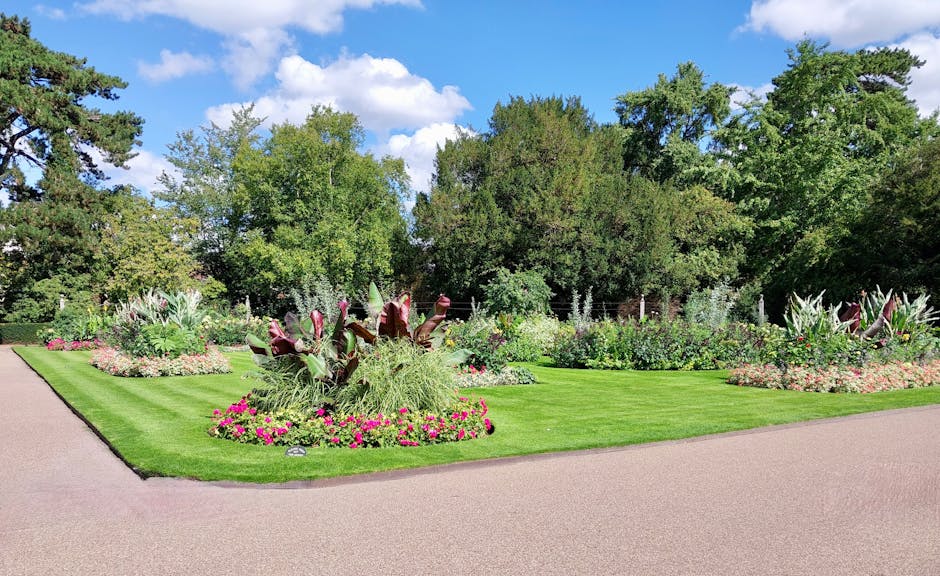
Common problems when booking Worcester Park gardeners
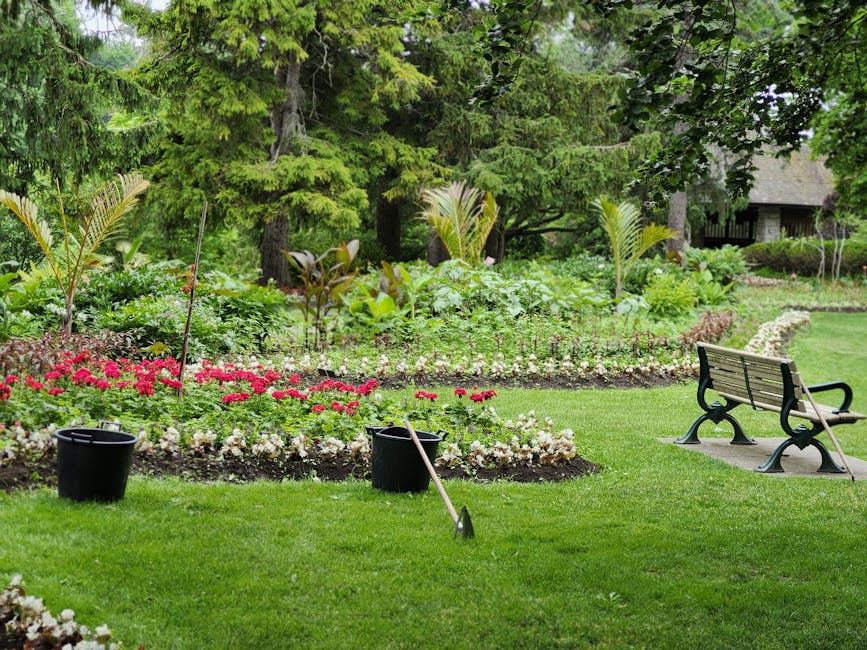
If you have ever tried to book a gardener and ended up with a vague quote, a missed appointment, or a job that somehow grew more expensive after the first visit, you are not alone. The common problems when booking Worcester Park gardeners usually come down to a few predictable issues: unclear scopes of work, weak communication, poor scheduling, and unrealistic expectations on both sides. In Worcester Park and the surrounding KT4 area, gardens can be deceptively varied too - small front plots, long back gardens, mature hedges, tired lawns, awkward access, the lot. That means a quick phone call is not always enough.
This guide breaks down the real-world booking problems people run into, why they happen, and how to avoid the usual headaches. You will also find a simple step-by-step approach, a practical checklist, and a few sensible ways to judge whether a gardener is a good fit before you commit. Let's face it, booking garden help should feel easier than pulling weeds on a wet Tuesday morning.
Why Common problems when booking Worcester Park gardeners Matters
When a booking goes wrong, it rarely fails in one dramatic moment. More often it slips through the cracks: a quote that does not cover waste removal, a visit that arrives late, a hedge trim that stops halfway because the work was described too loosely, or a lawn care plan that never quite matches the season. That kind of friction costs time, money, and trust.
In a busy local market, especially for people who want regular help rather than a one-off tidy-up, these mistakes can become surprisingly expensive. A straightforward job like garden maintenance in Worcester Park may sound simple, but maintenance often hides small details: pruning frequency, green waste, border care, seasonal clean-ups, access to water, and whether the garden has pet-safe areas or fragile planting.
It matters even more if you are booking a specialist task. For example, hedge shaping, lawn treatment, or tree work all need clearer expectations than a general tidy. If that is not sorted early, the whole job can feel confusing from day one. And nobody wants to have the awkward "that's not what I thought we agreed" conversation on the doorstep.
How Common problems when booking Worcester Park gardeners Works
Most booking problems start before anyone picks up a tool. The process usually begins with an enquiry, then a rough description of the work, then a quote or estimate, and finally a scheduled visit. Each stage sounds easy enough. The trouble is that each stage depends on the quality of information passed along.
For example, if you ask for "the garden to be tidied," one person might imagine a light sweep and lawn mow, while another imagines hedge cutting, patio clearing, weeding, and waste removal. If you want lawn mowing in Worcester Park, say whether the lawn is overgrown, sloped, damp, patchy, or edged with obstacles. That changes both the time needed and the approach.
Local gardeners also work around weather, daylight, access restrictions, parking, and seasonal demand. A spring booking for hedge cutting or a post-storm clearance can be slower to secure than a small routine job. And in fairness, that is normal. The real issue is not that delays happen; it is when nobody tells you why.
What typically goes wrong at each stage
- Initial enquiry: The job is described too broadly or without photos.
- Quotation: The quote covers part of the work, but not waste disposal, materials, or access challenges.
- Scheduling: Time slots are vague, or the gardener is overbooked.
- On-site visit: The scope changes once the gardener sees the garden in person.
- Completion: The finish is acceptable, but not quite what the customer pictured.
If you want a smoother experience, the most useful thing is precision. Not perfection - precision. A few photos, measurements where needed, and a short list of priorities can make booking noticeably easier.
Key Benefits and Practical Advantages
Good booking habits do more than prevent irritation. They help you get a better result for the same budget. That is the bit people sometimes miss. Clearer bookings usually mean fewer return visits, fewer disputes, and a better outcome on the day.
There are practical gains too. If you need help with hedge shaping, for instance, it is much easier to discuss the work when you can point to an exact area. A service like hedge trimming in Worcester Park becomes far more straightforward when the height, length, and end goal are explained properly. Do you want neat formal lines, a softer natural shape, or just a safety cut-back? Those are very different jobs.
Other benefits include:
- Better value: Quotes are easier to compare when the scope is consistent.
- Less stress: You are not chasing answers mid-job.
- Improved timing: The gardener can plan the right tools and enough labour.
- Healthier gardens: Proper seasonal work supports plant growth, lawn recovery, and better structure.
- Fewer surprises: Waste, materials, and access issues are dealt with before the visit.
If your outdoor space includes hard landscaping, regular upkeep can also be part of the picture. A tidy garden is often not just plants and turf; it may involve a patio, fence line, or timber features. That is where a joined-up approach matters, such as pairing patio cleaning with routine maintenance, or planning fencing work alongside boundary planting.
Who This Is For and When It Makes Sense
This topic matters to just about anyone booking outdoor help in Worcester Park, but it is especially useful for:
- busy homeowners who want reliable regular visits
- landlords preparing a property for tenants or viewings
- older residents who want less physical strain from garden upkeep
- families dealing with an overgrown or neglected garden
- people planning a bigger refresh, such as landscaping or new lawn care
- anyone who has had one bad booking experience and wants to avoid a repeat
It also makes sense if you are booking a specialist service rather than general gardening. Tree work, for example, needs different expectations from routine pruning. If you are considering tree surgery in Worcester Park, the questions you ask should include safety, access, debris removal, and whether the task is maintenance or a more technical intervention.
Truth be told, it makes sense for first-time customers and seasoned garden owners alike. A well-kept garden can still throw up messy booking issues if communication is loose.
Step-by-Step Guidance
Here is the simplest way to avoid the most common booking problems without turning the whole thing into a project.
- Write down what you actually want done. Separate urgent tasks from optional extras. A tidy-up, hedge trim, and lawn mow are not automatically the same appointment.
- Take clear photos. Wide shots and close-ups both help. If the space is cluttered or hard to access, show that too.
- Ask what is included. Waste removal, materials, edging, re-seeding, and follow-up visits should not be assumed.
- Check timing and frequency. One-off work and ongoing care are different. If you need ongoing help, mention seasonal patterns.
- Confirm the method of quotation. Some jobs need a site visit. That is usually a good thing, not an inconvenience.
- Agree the result, not just the task. Saying "trim the hedge" is less useful than "reduce height by a small amount and keep the front face level."
- Book a realistic time slot. A large or neglected garden is rarely a ten-minute job, even if it looks that way from the kitchen window.
- Review the plan before the visit. A short reminder by message can stop details getting lost.
If you are planning broader improvements, it can help to treat the booking as part of a bigger garden plan. For example, if overgrowth is hiding the shape of the space, a broader landscaping project in Worcester Park may be more sensible than piecemeal tidying. Similarly, if your garden is being restored after a long pause, it may be worth reading about restoring an abandoned garden before you start.
Expert Tips for Better Results
A few small habits make a big difference. They are not glamorous, but they work.
- Use seasonal language: Ask for spring preparation, summer upkeep, autumn clearance, or winter protection rather than generic "garden work."
- Be honest about the state of the garden: If it has been left for months, say so. A gardener can only plan properly if the starting point is clear.
- Mention pets and children: This matters for plant choice, chemical use, tool placement, and access. You may also find our guide on gardening with four-legged friends useful if that is part of your household setup.
- Ask about tidy finish standards: One gardener may rake up everything, another may leave cuttings bagged but not removed. Small detail, big difference.
- Request a realistic start point: If the lawn is long and wet, a same-day "perfect finish" may not be sensible.
One thing we often see is people booking a gardener for a big clear-up but forgetting the access route. Side gates, locked sheds, awkward steps, and narrow paths all matter. If the team cannot safely move equipment or waste, the day gets slower. It is not a drama, just logistics. Still, logistics can be the whole game.
For gardens that need longer-term upkeep, a mix of services can be better than one-off calls. Routine garden maintenance alongside lawn care, hedge work, and occasional structural improvements usually gives a more stable result than repeatedly chasing single problems.
Common Mistakes to Avoid
Here are the errors that tend to cause most of the frustration.
1. Assuming the quote covers everything
It might not. Waste collection, plant supply, extra labour, and second visits can all sit outside a basic estimate. Always ask what the price includes.
2. Describing the job too vaguely
"Sort the garden out" sounds natural, but it gives very little to work with. The more exact you are, the fewer surprises later.
3. Choosing only on the lowest price
A cheap quote can be fine, but if it is too low, something has usually been left out. Time, materials, or scope are often the missing pieces.
4. Forgetting about seasonal timing
Hedges, lawns, and planting all respond differently through the year. If you want better outcomes, ask whether the timing is sensible for the job.
5. Not checking special requirements
Heavy shade, pet-safe planting, windy corners, slopes, or climbing plants can all affect the work. If your garden has awkward conditions, mention them early. A windy open plot, for example, may need a different approach, and you may find this guide on dealing with garden wind helpful in planning ahead.
Another common slip is not asking how the gardener wants access on arrival. It sounds minor, but a small front-garden gate code, no parking, or a dog left in the yard can slow everything down. That sort of thing happens more than you would think.
Tools, Resources and Recommendations
You do not need a complicated system to book garden work well. A few basic tools are enough.
- Your phone camera: Take dated photos of the garden from several angles.
- A short notes app list: Keep priorities, questions, and timing notes in one place.
- Measurements: Rough hedge lengths, lawn size, or patio dimensions help with clearer estimates.
- Access details: Gate codes, parking restrictions, or neighbour access arrangements.
- A garden diary: Even a simple monthly note on mowing, pruning, feeding, and clearing can help.
For specific tasks, the right supporting reading can save time. If your main concern is hedge shape and density, fast-growing hedge ideas for privacy can help you decide whether to maintain what you have or replace it. If your garden is more about visual structure, hedge trimming shapes and techniques is a useful read.
For practical garden design and comfort, there are also related ideas worth exploring, like creative seating ideas or zen garden inspirations if you want the space to feel calmer, not just tidier.
Law, Compliance, Standards, or Best Practice
For most domestic garden bookings, the main legal and best-practice concerns are straightforward: safety, waste handling, and care around protected or potentially hazardous work. You do not need to know every technical detail, but you should expect a professional to work cautiously and responsibly.
For example, tree work is not the same as cutting back a shrub. If a job involves larger branches, overhanging limbs, or awkward structural issues, it should be treated carefully. A reputable gardener will usually explain when a task is beyond routine maintenance and may need specialist attention. That is one reason tree surgery services should be discussed separately rather than bundled into a vague "garden tidy."
It is also sensible to expect:
- safe use of tools and equipment
- clear communication about access and hazards
- care around neighbouring boundaries
- proper handling of green waste
- reasonable attention to pets, children, and fragile planting
For garden surfaces, compliance is less formal but still matters in practice. For instance, pressure washing a patio carelessly can cause splashback, mess, or damage to joints. That is why a service like patio cleaning should be matched to the material and condition of the surface. Same with lawns: feeding, cutting height, and recovery after stress should follow the season rather than guesswork. A sensible lawn care plan will usually respect that.
If in doubt, ask direct questions. Good operators do not usually mind. In fact, the clear ones tend to appreciate it.
Options, Methods, or Comparison Table
Sometimes the easiest way to avoid booking problems is to choose the right style of service from the beginning. A one-off tidy is not the same as ongoing maintenance, and neither is the same as a redesign.
| Booking option | Best for | Common risk | How to reduce the risk |
|---|---|---|---|
| One-off garden tidy | Overgrown spaces, pre-event clean-ups, seasonal reset | Scope creep if the garden is larger than expected | Send photos and list the exact tasks |
| Regular maintenance | Busy households, rental properties, tidy presentation | Jobs becoming inconsistent if visits are not clearly scheduled | Agree frequency and priorities in advance |
| Specialist work | Hedges, trees, fencing, lawns, structural changes | Expectations do not match the specialist nature of the task | Use detailed descriptions and separate service requests |
| Full refresh or redesign | Neglected gardens, awkward layouts, bigger improvement plans | Budget or timescale surprises | Break the project into stages and confirm what comes first |
For a lot of Worcester Park households, the sweet spot is a mix of routine care and occasional specialist help. That could mean regular mowing, seasonal hedge cutting, and then a broader tidy-up when the garden starts to feel cluttered. If you are exploring low-cost improvements, the ideas in budget-conscious garden design can be a practical starting point.
Case Study or Real-World Example
A typical example: a homeowner in KT4 wanted a quick spring tidy before visitors arrived. The request sounded simple enough at first. But once the gardener arrived, it turned out the lawn had not been cut for weeks, the hedge needed more than a light trim, and the back corner was full of ivy and old cuttings. The original expectation was a small half-day job; the real work was closer to a proper reset.
Nothing had gone wrong technically. The issue was simply that the booking brief was too loose. The homeowner had said "tidy the garden," thinking of a neat finish, while the gardener assumed a broader clean-up but not a full clear-out. After a quick conversation, the job was split into stages: first the heavy clearance, then hedge work, then lawn care, then a final tidy. A messy start, yes. But manageable once the scope was made plain.
That sort of situation is common. It is also fixable. In many cases, the best outcome is not getting everything done instantly; it is agreeing a realistic plan that matches the actual condition of the garden. Slow is sometimes smarter. Not always exciting, but smarter.
Practical Checklist
Use this before you book. It saves time later.
- Have I explained exactly what I want done?
- Have I added photos from more than one angle?
- Have I mentioned access issues, pets, or parking restrictions?
- Do I know whether waste removal is included?
- Have I checked whether the job is one-off or ongoing?
- Do I know which tasks are urgent and which are optional?
- Have I asked whether the timing suits the season?
- Do I understand whether this is general gardening or specialist work?
- Have I compared more than one quote fairly?
- Do I know what a successful finish looks like for this job?
Quick takeaway: the best bookings are specific, honest, and realistic. If the garden is messy, say so. If the hedge is really overgrown, say so. If you want a calm, low-maintenance finish rather than a dramatic redesign, say that too. Clarity is kinder to everyone.
Conclusion
The common problems when booking Worcester Park gardeners are usually not mysterious. They come from vague briefs, unclear pricing, weak scheduling, and assuming everyone sees the job the same way. Once you know that, the solution is pretty straightforward: be precise, ask sensible questions, and match the service to the actual condition of your garden.
If you are arranging one-off help or planning a longer-term garden routine, take a little time to define the job properly before anyone arrives. That small bit of effort can save you money, reduce stress, and lead to a much better finish. And honestly, that is what most people want: a garden that feels looked after, not another thing to manage.
When the details are clear, the whole experience becomes calmer, cleaner, and a lot more satisfying. That is usually the difference between a rushed booking and a good one.
Get a free quote today and see how much you can save.
Frequently Asked Questions
What is the most common problem when booking a gardener in Worcester Park?
The biggest issue is usually a vague scope of work. People say they want the garden "tidied," but the gardener may interpret that very differently. Photos and a task list help a lot.
Why do gardening quotes sometimes change after the visit?
Quotes can change if the garden is larger, more overgrown, or harder to access than expected. A site visit often reveals details that were not obvious from the first description.
Should I send photos before asking for a quote?
Yes, that is one of the easiest ways to improve accuracy. Photos of the whole space, problem areas, and access points make a big difference.
How do I know if I need garden maintenance or a one-off tidy?
If you want ongoing visits through the year, maintenance is usually the better fit. If the garden has just become untidy and you need a reset, a one-off tidy may be enough.
Is it a problem if my garden is very overgrown?
Not at all, but you should say so clearly. An overgrown space may need more time, more labour, and possibly a staged approach rather than a single quick visit.
What should I ask before booking hedge work?
Ask whether the job is a light trim or a reduction, whether waste removal is included, and how the final shape should look. Hedge work is more precise than it sounds.
Do gardeners usually include waste removal?
Sometimes yes, sometimes no. Never assume. It is better to ask directly before the booking is confirmed.
How far in advance should I book during busy periods?
It depends on the season and the type of work, but spring and early summer can fill up quickly. If the task is time-sensitive, book as early as you can.
What if I need both lawn care and hedge trimming?
That is common. It is often best to mention both at the enquiry stage so the gardener can plan time, tools, and the right order of work.
Are there any legal issues I should think about?
For normal domestic garden work, the main concerns are safety, waste handling, and care with larger or riskier tasks. If the job involves trees or more technical work, it should be discussed separately and handled cautiously.
How can I avoid misunderstandings on the day?
Confirm the plan before the visit, make access easy, and explain what a successful outcome looks like. A short message the day before is often enough.
What if I want my garden to feel more private?
Then you may want to discuss planting, hedge shaping, or screening options rather than just basic tidying. Privacy goals need a more design-led approach, not just maintenance.
Can booking problems be reduced with regular visits?
Yes. Regular visits often make work more predictable because the garden is easier to manage, the gardener knows the space, and the tasks stay smaller.
What is the best first step if I have had a bad experience before?
Start by being more detailed than you think you need to be. Explain the garden's current state, the result you want, and the things that worried you last time. That honesty usually helps.